
Natural Ways to Ease a Headache
Headaches are one of the most common complaints around, and the causes are just as varied as the people who get them: dehydration, stress, poor sleep, skipped meals, sinus pressure, eye strain, or too much time hunched over a screen. Reaching for a painkiller is often the default response, but there are gentler, evidence-informed approaches worth trying first, especially for mild to moderate tension headaches.
TIPS
Here's a practical, up-to-date guide to natural headache relief.
1. Hydrate First
Dehydration is one of the most overlooked headache triggers. When the body loses fluid, blood volume drops slightly, and the brain can temporarily lose a small amount of volume, which is enough to trigger pain-sensitive structures around it. The fix is simple: drink water steadily throughout the day rather than gulping a large amount only after the pain has started. If a headache tends to show up in the afternoon, it's worth checking whether fluid intake, not just coffee, has kept pace.
2. Try a Cold or Warm Compress
Temperature therapy is one of the best-supported low-effort remedies. Cold compresses tend to work well for migraine-type headaches by constricting blood vessels and numbing the area, while warm compresses are often more soothing for tension headaches caused by tight neck and shoulder muscles. Apply to the forehead, temples, or the back of the neck for 15–20 minutes, and don't be afraid to switch between the two to see which brings more relief; everyone responds a little differently.
3. Reach for Certain Herbal Teas
A warm cup of tea can do double duty: it hydrates and delivers plant compounds that support relaxation and reduce inflammation.
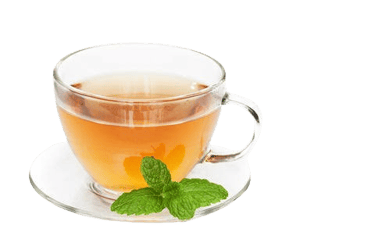
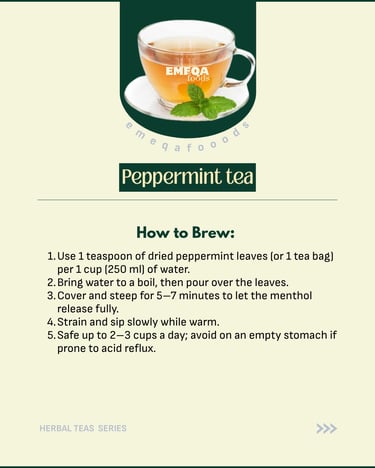
Peppermint tea contains menthol, which has a cooling, muscle-relaxing effect that can ease tension headaches.
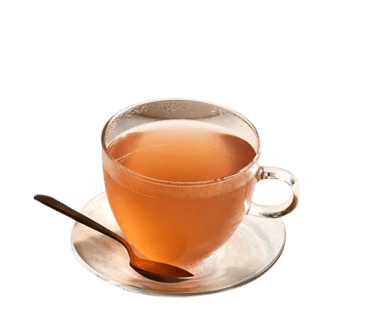
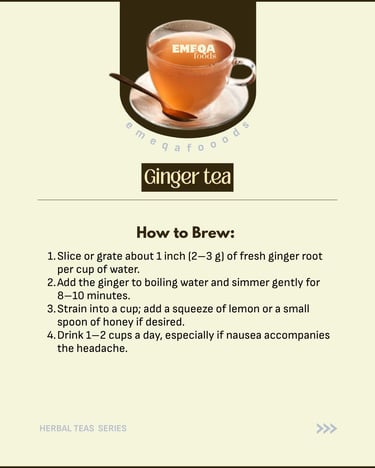
Ginger tea has anti-inflammatory properties and is particularly helpful for headaches paired with nausea, a common migraine companion.
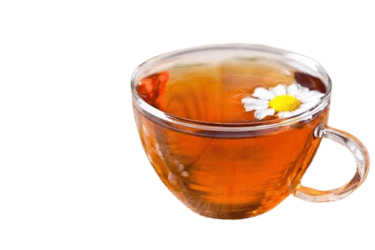
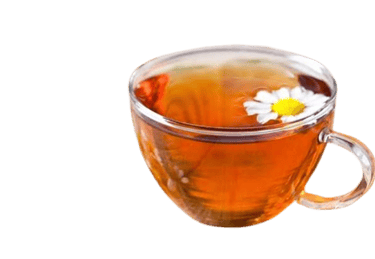
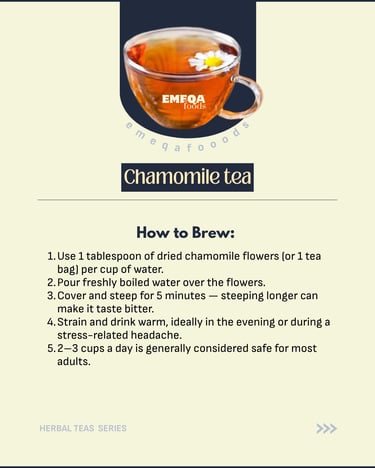
Chamomile tea is calming and may help when stress or poor sleep is the underlying trigger.
Herbal teas work best as a supportive habit rather than a rescue remedy taken only once the pain has set in.
How to Brew Each Tea (Step-by-Step)
Peppermint tea:
Use 1 teaspoon of dried peppermint leaves (or 1 tea bag) per 1 cup (250 ml) of water.
Bring water to a boil, then pour over the leaves.
Cover and steep for 5–7 minutes to let the menthol release fully.
Strain and sip slowly while warm.
Safe up to 2–3 cups a day; avoid on an empty stomach if prone to acid reflux.
Ginger tea:
Slice or grate about 1 inch (2–3 g) of fresh ginger root per cup of water.
Add the ginger to boiling water and simmer gently for 8–10 minutes.
Strain into a cup; add a squeeze of lemon or a small spoon of honey if desired.
Drink 1–2 cups a day, especially if nausea accompanies the headache.
Chamomile tea:
Use 1 tablespoon of dried chamomile flowers (or 1 tea bag) per cup of water.
Pour freshly boiled water over the flowers.
Cover and steep for 5 minutes — steeping longer can make it taste bitter.
Strain and drink warm, ideally in the evening or during a stress-related headache.
2–3 cups a day is generally considered safe for most adults.
General brewing tips:
Always use freshly boiled (not overboiled) water for the best release of active compounds.
Cover the cup while steeping to trap the volatile oils that carry much of the therapeutic effect.
Fresh herbs and loose-leaf tea are generally more potent than older tea bags, use slightly more if the tea is old.
Introduce one new tea at a time and wait a day or two before adding another, so it's easy to tell what's helping.
Pregnant individuals, and anyone on blood thinners or other medication, should check with a doctor before making herbal tea a regular habit, since some herbs can interact with medications.
4. Get Moving
Regular, moderate exercise, even a brisk 20-minute walk- encourages the release of endorphins, the body's natural pain-relieving chemicals, and can reduce how often headaches occur over time. It also helps regulate sleep and stress, two major headache triggers. That said, intense exercise during an active migraine can sometimes make things worse, so gentle movement is the better choice once a headache has already started.
5. Try Acupressure or a Gentle Head Massage
Massaging the temples, scalp, and the base of the skull increases blood flow and can interrupt the muscle tension that feeds a headache. Acupressure points, particularly the webbing between the thumb and index finger, and the point where the eyebrows meet the bridge of the nose, are commonly used for quick, on-the-spot relief. A few minutes of firm, circular pressure is often enough to notice a difference.
6. Practice Slow, Deep Breathing
Stress and shallow breathing go hand in hand with tension headaches. Slow diaphragmatic breathing, inhaling deeply through the nose, holding briefly, and exhaling slowly, helps lower stress hormones and relaxes the muscles around the neck, jaw, and scalp. Alternate-nostril breathing, a technique borrowed from yoga, is another simple option people use to calm the nervous system during a flare-up.
7. Watch Magnesium and B-Vitamin Intake
Diets consistently low in magnesium have been linked to a higher frequency of migraines, and some people find that magnesium-rich foods, leafy greens, nuts, seeds, and whole grains, help reduce how often headaches strike. Riboflavin (vitamin B2) has also drawn interest in migraine prevention. These are best approached as long-term dietary habits, and anyone considering a supplement (rather than food sources) should check with a doctor first, since dosing and interactions matter.
8. Keep a Trigger Diary
Not every remedy works for every headache, because not every headache has the same cause. Keeping a simple log of what you ate, how you slept, stress levels, and when the headache started can reveal patterns, certain foods, dehydration, poor sleep, or even weather changes, that are far more useful long-term than any single remedy.
When to See a Doctor
Occasional tension headaches usually respond well to the steps above. But a headache that's sudden and severe, comes with a fever, stiff neck, confusion, vision changes, or follows a head injury needs prompt medical attention. Frequent or worsening headaches are also worth discussing with a healthcare provider, since they can point to an underlying issue that natural remedies alone won't fix.
Traditional Chinese Medicine meets modern natural science.
© Copyright 2025 - 2026 Emeqafoods. All rights reserved.