
The Best Foods That Help Clear Acne
Clear skin doesn't start with your bathroom cabinet; it starts with your fridge. While cleansers and spot treatments work on the surface, what you eat shapes the hormones, oil production, and inflammation happening underneath it. The good news: you don't need a complicated overhaul. A handful of everyday ingredients, added consistently, can make a real difference in how calm and clear your skin looks.
SKINCARE
Here's a practical, ingredient-by-ingredient guide to eating your way to fewer breakouts, what to eat, why it works, and exactly how to work it into your week. here...
Why Food Affects Your Skin in the First Place
Breakouts form when pores get clogged with excess oil, dead skin cells, and bacteria, and three things tend to fuel that process: blood sugar spikes, inflammation, and hormone surges. Foods that spike blood sugar quickly (think white bread, sugary drinks, and packaged snacks) trigger insulin and related growth hormones that push oil glands into overdrive. Foods that are anti-inflammatory and nutrient-dense do the opposite: they help balance oil production, support skin healing, and calm redness from the inside out.
With that in mind, here are the ingredients worth building your plate around.
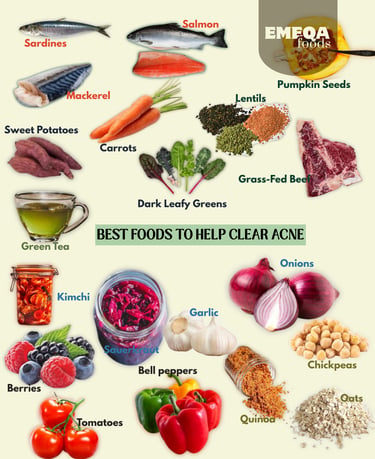
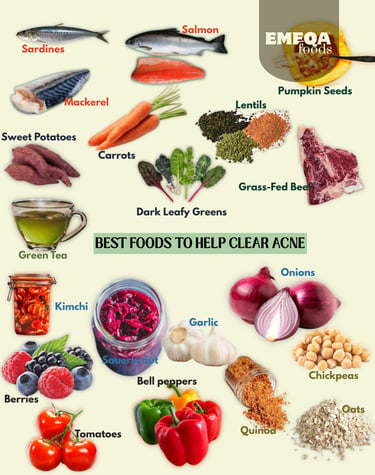
1. Fatty Fish (Salmon, Mackerel, Sardines)
Why: Fatty fish are among the richest natural sources of omega-3 fatty acids, which help dial down the inflammatory compounds that make breakouts red, swollen, and slow to heal. Omega-3s also help balance oil production, so pores are less likely to clog in the first place.
How to: Aim for two servings a week, about the size of your palm. Bake or pan-sear with olive oil, lemon, and herbs to keep the anti-inflammatory benefits intact; deep-frying cancels out a lot of the good you're doing.
Easy ways to incorporate:
Swap your lunch salad protein for canned wild salmon or sardines
Add mackerel to a rice bowl with greens and avocado
Not a fish person? Walnuts, chia seeds, and flaxseed offer plant-based omega-3s too
2. Zinc-Rich Foods (Pumpkin Seeds, Lentils, Grass-Fed Beef)
Why: Zinc plays a starring role in skin repair. It helps regulate oil (sebum) production, supports faster wound healing so blemishes fade quicker, and helps keep acne-related bacteria in check. Many people with persistent breakouts run low on zinc without realizing it.
How to: A small handful of pumpkin seeds (about 2 tablespoons) daily is an easy target. Lentils and chickpeas work well as a base for zinc a few times a week if you eat plant-forward.
Easy ways to incorporate:
Toast pumpkin seeds and sprinkle over salads, soups, or oatmeal
Stir lentils into soups, stews, or a quick weeknight dal
Add lean grass-fed beef or turkey to a stir-fry with vegetables
3. Vitamin A-Rich Produce (Carrots, Sweet Potatoes, Dark Leafy Greens)
Why: Vitamin A supports healthy skin cell turnover, which is exactly what helps keep pores from getting clogged with dead skin cells in the first place. It also plays a role in regulating oil glands.
How to: Include a colorful, orange or dark-green vegetable at most meals. Roasting brings out natural sweetness and makes them easy to eat often.
Easy ways to incorporate it:
Roast sweet potato wedges as a side, or mash them in place of white potatoes
Add spinach or kale to a smoothie, omelet, or pasta
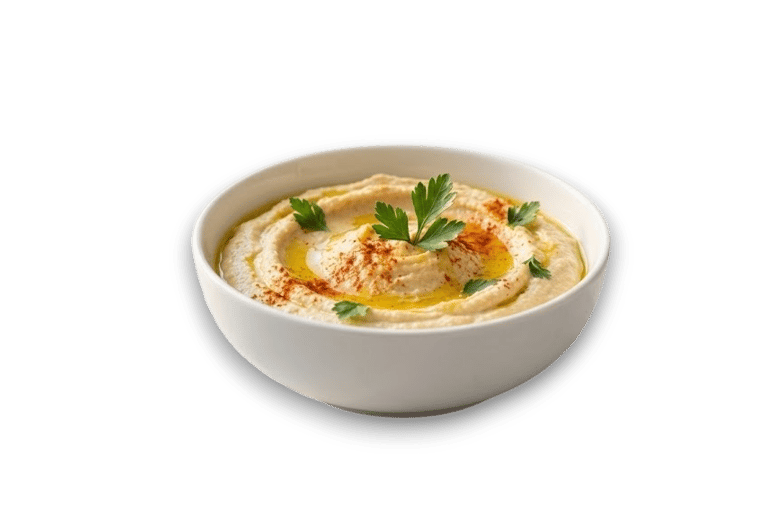
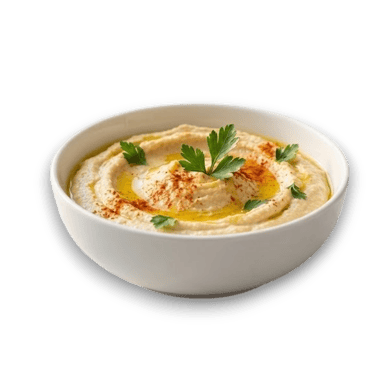
Snack on baby carrots with hummus instead of chips
4. Colorful Antioxidant-Rich Fruits & Vegetables (Berries, Tomatoes, Bell Peppers)
Why: Antioxidants neutralize the free radicals that contribute to inflammation and skin damage. Brightly colored produce, especially berries and tomatoes, also delivers vitamin C, which supports collagen and helps skin heal faster after a breakout.
How to: Aim to make half your plate vegetables and fruit, prioritizing variety and color over any single "superfood."
Easy ways to incorporate:
Add a handful of blueberries to breakfast (yogurt, oats, or a smoothie)
Snack on cherry tomatoes and bell pepper strips
Build meals around the "eat a rainbow" rule, the more colors on your plate, the more antioxidant variety you're getting
5. Low-Glycemic Whole Grains & Legumes (Quinoa, Oats, Chickpeas)
Why: Foods that digest slowly keep blood sugar (and the hormones that follow it) steady, rather than spiking oil production. Swapping refined carbs for whole, fiber-rich ones is one of the simplest, most sustainable skin-supporting changes you can make.
How to: Replace white bread, white rice, and sugary cereal with whole-grain or legume-based alternatives most of the week.
Easy ways to incorporate:
Start the day with steel-cut or rolled oats instead of sugary cereal
Swap white rice for quinoa or farro at dinner
Add chickpeas to salads or blend into homemade hummus
6. Green Tea
Why: Green tea is rich in catechins, plant compounds with strong antioxidant and anti-inflammatory properties. It's one of the more consistently studied beverages for supporting clearer, calmer skin over time.
How to use: One to two cups a day is a reasonable, sustainable habit. Brew it fresh rather than relying on bottled versions, which often have added sugar and fewer active compounds.
Easy ways to incorporate:
Replace an afternoon coffee with a cup of green tea
Use cooled green tea as a base for a homemade iced tea (unsweetened or lightly sweetened with honey)
7. Fermented & Prebiotic Foods (Kimchi, Sauerkraut, Garlic, Onions)
Why: Skin health starts in the gut. A balanced gut microbiome supports better nutrient absorption, meaning all the zinc, vitamin A, and antioxidants above actually get where they need to go. Fermented foods add beneficial bacteria directly, while prebiotic foods like garlic and onions feed the good bacteria already living in your gut.
How to use it: A small serving (2–3 tablespoons) of a fermented food most days is enough to build the habit.
Easy ways to incorporate:
Add a spoonful of sauerkraut or kimchi as a side to any savory meal
Cook with plenty of garlic and onion as your flavor base
Try unsweetened, dairy-free yogurt or kefir if you tolerate it well
Foods Worth Eating Less Of
Just as important as what to add is what to dial back:
High-glycemic carbs: white bread, sugary cereals, pastries, soda
Dairy milk: some people notice a link between cow's milk and breakouts, even when cheese and yogurt don't cause the same reaction
Highly processed and fried foods: these tend to be pro-inflammatory and low in the nutrients your skin needs
You don't need to eliminate these entirely, but noticing patterns between what you eat and how your skin responds over a few weeks can be genuinely useful.
Putting It All Together: A Simple Day
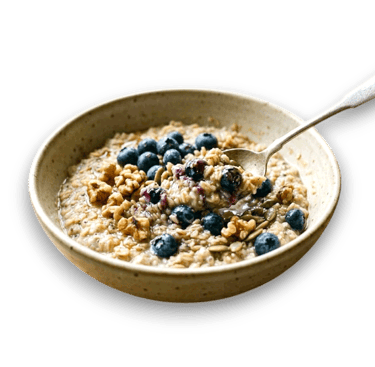
Breakfast: Oats topped with blueberries, walnuts, and a spoonful of pumpkin seeds
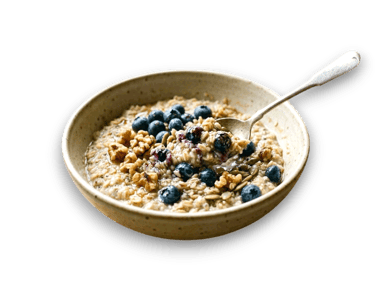
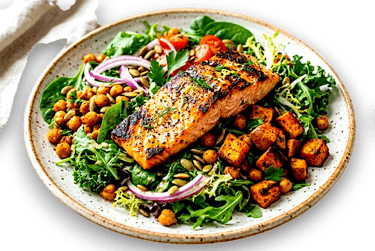
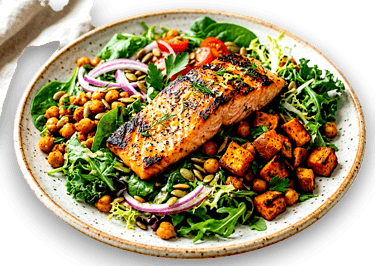
Lunch: Salad with leafy greens, roasted sweet potato, chickpeas, and grilled salmon
Snack: Carrot sticks with hummus, or a small handful of pumpkin seeds
Dinner: Quinoa bowl with sautéed vegetables, a side of sauerkraut, and a cup of green tea
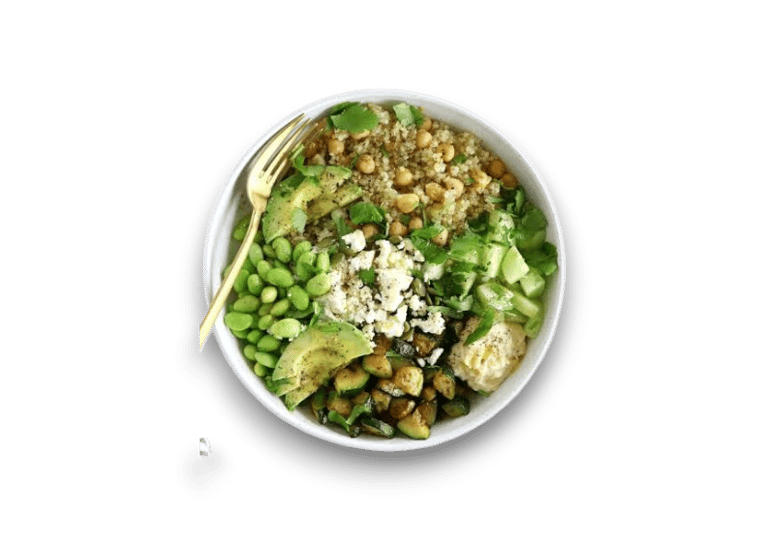
Small, repeatable meals like this- built around whole, colorful, minimally processed ingredients, do more for your skin over months than any single "miracle food" ever could. Consistency is the real active ingredient.
Diet is one piece of the puzzle alongside a good skincare routine, sleep, and stress management. If breakouts are persistent, painful, or leaving scars, it's worth talking to a dermatologist for a plan tailored to you.
Traditional Chinese Medicine meets modern natural science.
© Copyright 2025 - 2026 Emeqafoods. All rights reserved.